Effective Cavity Treatment for Kids: What You Should Know
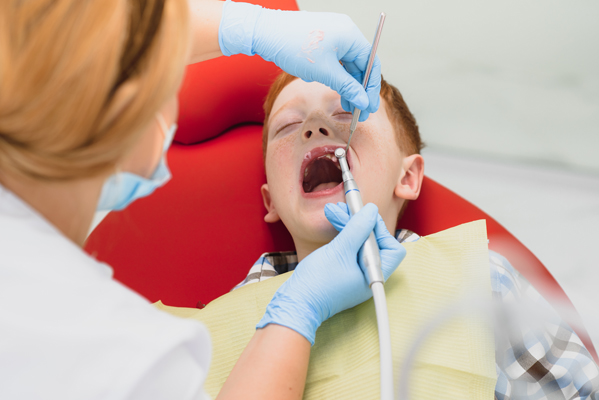
Cavity treatment for kids can help children maintain their long-term oral health. Tooth decay in children can lead to discomfort, infection, and long-term dental complications if left untreated. Fortunately, early detection and appropriate pediatric dental care can prevent complications and support healthy oral development as children grow up.
How cavities form in young teeth
Cavities develop when bacteria in the mouth feed on sugars and starches from food and beverages, producing acid that gradually erodes tooth enamel. In children, several factors contribute to the risk of cavities, including:
- Naturally weak enamel
- Overconsumption of sugary or acidic foods
- Poor oral hygiene habits
- Lack of fluoride in their diet
- Prolonged bottle-feeding or sippy cup use
- Certain medications
- Frequent snacking, poor oral hygiene, lack of fluoride in their diet, and prolonged bottle-feeding or sippy cup use
Additionally, baby teeth are thinner and less mineralized than adult teeth, making them more susceptible to decay. Early signs of cavities in children may include sensitivity to cold or sweet foods, visible pits or discoloration on teeth, or complaints of tooth pain. Regular dental check-ups can detect the early signs of tooth decay and provide prompt intervention.
Common types of cavity treatment for kids
When a dentist diagnoses a cavity, the appropriate treatment will depend on the size, location, and severity of the damage. There are several types of cavity treatment for kids, each designed to restore the tooth and prevent further damage.
Fluoride treatments
For minor tooth decay, professional fluoride treatment can help remineralize enamel and protect the tooth from further damage. These treatments are usually applied during routine dental visits. Professional flouride treatments are especially effective when the dentist catches decay in its earliest stages.
Dental fillings
The most common way to treat mild to moderate cavities is to remove the decayed part of the tooth and place a filling. For children, the pediatric dentist will usually use tooth-colored composite resin,as the material looks natural and compability with primary teeth. Fillings help the tooth function properly and protect it from more decay.
Dental crowns
When a cavity is large or damages a large part of the tooth, the child may need a dental crown. Pediatric dentists often use pre-made stainless steel crowns for children because they are durable and can be removed once the primary tooth falls out. Crowns help restore the tooth's shape and structure, providing long-lasting protection.
Baby root canal
If decay has reached the inner pulp of the tooth, a pulpotomy or pulpectomy — also known as a baby root canal — may be necessary to remove the infected tissue. This type of cavity treatment for kids helps preserve the tooth and prevent the need for extraction. The procedure is followed by the placement of a crown to seal and protect the treated tooth.
Tooth extractions
In cases where a tooth is severely decayed and cannot be restored, extraction may be used as a last resort. The pediatric dentist may recommend a space maintainer to ensure that surrounding teeth do not shift, preserving the space necessary for the permanent tooth.
Preventive treatments to support cavity-free teeth
While these cavity treatment options are effective, prevention remains the best strategy. As the saying goes, prevention is better than the cure. When parents help their children establish a strong oral care routine from an early age, it can greatly reduce the risk of cavities.
The following preventive measures can protect the young patient's teeth from further damage:
- Brushing and flossing: Children should brush their teeth twice daily with fluoride toothpaste and floss once a day to remove plaque and food particles from the surface and in between their teeth.
- Healthy diet: Limiting the consumption of sugary snacks and beverages can reduce the prevalence of cavity-causing bacteria.
- Regular dental visits: Routine check-ups every six months enable early detection and allow for preventive treatments such as fluoride applications and sealants.
- Dental sealants: Sealants are protective coatings applied to the chewing surfaces of the child's molars. They act as a barrier against plaque and food, reducing the risk of cavities in these hard-to-reach areas.
While not all cavities are preventable, following these measures can protect the young patient's teeth from further decay and lower the risk of extensive damage.
Schedule your child's next appointment at our Houston office
Cavity treatment for kids is essential to pediatric dental care, ensuring young patients have bright and healthy smiles as they grow and develop. Is your child due for a dental visit? Call our Houston office to schedule their next appointment.
Request an appointment here: https://www.memorialpediatricdds.com or call Memorial Pediatric Dentistry at (281) 571-8411 for an appointment in our Houston office.
Check out what others are saying about our dental services on Yelp: Pediatric Dentist in Houston, TX.
Recent Posts
The pediatric dentist knows your child is active, and accidents can happen. You might be unsure what to do if something knocks a baby tooth out. You may think that since the tooth would have eventually fallen out anyway, it is no big deal. Or, you might worry about the impact the lost tooth will…
It is a challenge for any pediatric dentist to make children comfortable in the dentist’s clinic. Dentists have to find ways to turn the dental treatment room into a comfortable place for kids. This is vital because many children have anxiety toward the pediatric dentist. If you want to know how a pediatric dentist turns…
As a parent, you probably have a lot of questions for your child’s pediatric dentist. You know that teaching good toothbrushing skills to children can be difficult. Very young children may not have the necessary motor skills to brush and floss successfully. Older children may not like toothbrushing and often do not do a thorough…
Common pediatric dental care procedures, such as fillings and sealants, are simple and can be done in a single appointment. However, parents who are taking their children to the dentist for the first time often do not know what to expect, which can make preparation difficult. Knowing ahead of time what goes on during these…