What Is the Best Age for Tongue Tie Treatment?
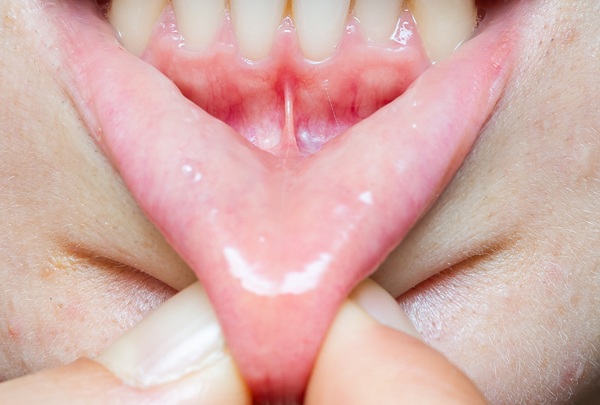
Tongue tie treatment can help improve oral movement when a tight band of tissue limits the tongue's ability to move freely. This condition, also called ankyloglossia, can affect feeding, speech, oral hygiene, and dental development depending on the child's age and symptoms. Our pediatric dentist can evaluate your child's tongue movement, oral function, and developmental needs to determine the right time for care.
Understanding tongue tie
A tongue tie occurs when the lingual frenulum, the tissue connecting the tongue to the floor of the mouth, feels too short, thick, or tight. This restriction can limit how far the tongue can lift, stretch, or move from side to side. Some children have mild restrictions that cause few concerns, while others experience daily challenges that need professional attention. For example, infants need proper tongue motion for latching and feeding, while older children may need adequate tongue movement for speech clarity, swallowing, oral cleaning, and normal mouth development.
Is there one best age for tongue tie treatment?
There is no single best age for every child. The right timing depends on symptoms, feeding needs, speech development, and the extent to which the tongue restriction affects daily functioning. The dentist can help determine whether early care, monitoring, or later treatment makes the most sense. Some infants may benefit from early evaluation when feeding problems appear. Older children, on the other hand, may need assessment if speech concerns, eating challenges, or oral hygiene problems develop. The decision should focus on function rather than age alone.
Tongue tie treatment for infants
Infancy can be an important time to identify tongue-tie, as feeding concerns may appear early. As mentioned above, a restricted tongue may make it harder for a baby to latch, transfer milk, or feed comfortably. Some infants may tire quickly during feeding or show signs of frustration at the breast or bottle, often leading to a ripple effect of crankiness for them and worry for parents.
When symptoms affect feeding, the dentist may recommend a frenectomy. This procedure releases the tight tissue to improve tongue movement. Note that in some cases, the dentist may also coordinate with a pediatrician, lactation consultant, or feeding specialist to support the child's needs before and after tongue tie treatment.
Tongue tie treatment during toddler years
Toddlers may show signs of tongue-tie through eating patterns, speech development, or oral habits. Some children may have trouble moving food around the mouth or swallowing comfortably. Others may develop speech patterns that need evaluation as language skills grow.
The dentist can examine the tongue, frenulum, bite, and oral tissues during this stage. If the restriction affects function, treatment may help improve tongue mobility. If symptoms remain mild, the dentist may recommend monitoring growth and development before deciding on tongue tie treatment.
Tongue tie treatment for school-age children
School-age children may need evaluation when a tongue restriction affects speech, eating, oral hygiene, or dental development. Limited tongue movement can make it harder to clear food from the teeth and gums. This may increase the risk of plaque buildup in some children.
Speech concerns can also become more noticeable as vocabulary and communication demands increase. The dentist may work with a speech-language pathologist when speech patterns need closer review. This team-based approach helps determine whether tongue-tie treatment may support improved function.
Why early evaluation helps
Again, early evaluation does not always mean immediate treatment. It gives the dentist a chance to understand the restriction and watch for changes over time. This can help prevent unnecessary delays when symptoms begin to affect feeding, speech, or oral development. Our practice provides pediatric dental care for infants, children, and teens and describes the team as focused on children's growth and development. We will take a comprehensive approach to identifying dental concerns and supporting long-term oral health.
What happens during tongue tie treatment?
A frenectomy is a common procedure for releasing a tongue tie. The dentist carefully releases the restricted tissue to allow greater tongue movement. The approach may vary depending on the child's age, comfort level, and the thickness of the tissue.
The procedure is often quick, but aftercare remains important. Stretching exercises or tongue movement activities may be recommended to support healing and mobility. A pediatric dentist can explain what families should expect after treatment and when follow-up care should occur.
Schedule your child's evaluation
Tongue tie treatment can be helpful at different ages when a restricted tongue affects feeding, speech, eating, or oral hygiene. The dentist can determine whether treatment, monitoring, or coordination with another specialist provides the best path forward. Is your child showing signs of tongue tie? Contact our office and schedule their evaluation.
Request an appointment here: https://www.memorialpediatricdds.com or call Memorial Pediatric Dentistry at (281) 571-8411 for an appointment in our Houston office.
Check out what others are saying about our services on Yelp: Read our Yelp reviews.
Recent Posts
As a parent, implementing preventive pediatric dental care is important. Your priority is your child’s health. Dental health influences one’s general health. As a responsible parent, preventing dental problems is important. If you want to know more about preventive pediatric dental care, here are the details.A child’s dental care must have a routine dental check…
Your pediatric dentist can clear the air when it comes to plaque and tartar. As a responsible parent, you should ask your child’s dentist about the most common dental problems — plaque and tartar. Dental health starts in early childhood. It is always prudent to do what you can to prevent these substances from taking…
If you are a parent who tries daily to get your kids to brush their teeth, then you can benefit from these tips from a pediatric dentist. Pediatric dentists focus on younger patients and understand that kids often have little interest in oral health. Because pediatric dentists specialize in caring for children like yours, these…
Your child’s pediatric dentist knows that children are still learning how to hold the brush and be thorough. For children who are starting to brush and floss, doing a good job can be difficult. Your child can get distracted or bored and miss big portions of the mouth. Getting children to floss is even more…