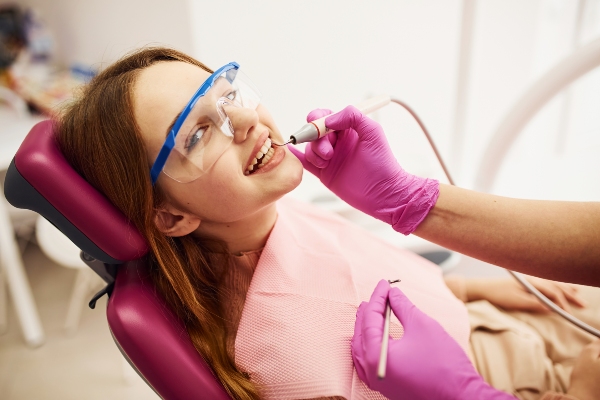
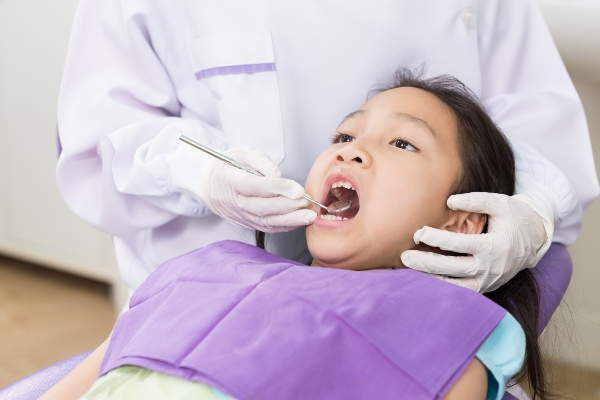
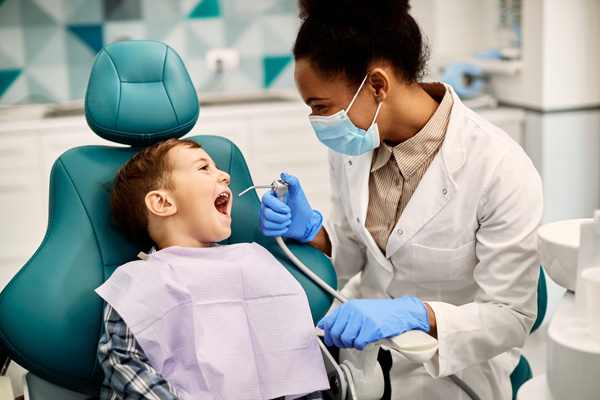
 Pediatric dentists may use sedation to put children at ease during dental procedures. These dentists have the training and certification to administer anesthetics and sedatives. They can use measures like mild sedatives to keep your child calm and comfortable during treatment.
Tools like safe sedation enable a kids’ dentist to create a positive experience for your child. This goes a long way toward minimizing the chance that your child will grow up to fear the dentist. Keep reading to learn how and when kids’ dentists use sedation dentistry.
Reasons that a pediatric dentist will use sedation dentistry
Pediatric dentists should have a way with children, and they should have the skills to get the child through a dental procedure. These skills include the ability to adjust to a child’s mood, personality, and behavior.
Children’s dentists pursue extra training to acquire the tools and techniques that help them to treat young children. One technique is creating an inviting space that puts young kids at ease when they arrive at the office. Another is helpful, child-friendly support staff who can cater to a child’s unique needs. Also, the treatment room should have a calming ambience and custom fittings for child patients. Sedation dentistry is a tool that comes into play for:
- Young patients who experience fear and anxiety at the dentist’s
- Patients with special needs
- Children who are unable to sit still
- A young patient who needs to undergo lengthy, intensive procedures
- Young patients with a strong gag reflex
The following sections detail the different levels of sedation and their uses. Do note that sedatives complement anesthetics, not replace them. Once the dentist sedates the child, they will administer an anesthetic before starting a dental procedure.
Nitrous oxide for mild sedation
Laughing gas (nitrous oxide) is a mild sedative that keeps a child calm during a minor dental procedure. Dentists administer the gas by placing a mask over the patient’s mouth and nose. They will keep administering the gas at intervals for the duration of the procedure.
Nitrous oxide takes five minutes to kick in, and it quickly wears off. It is safe to use on children of all ages. Parents should limit their child to a light meal in the hours leading up to a dental procedure that involves nitrous oxide.
Oral sedation
Oral sedatives can take the form of a pill or in rare cases, a nasal spray. This type of sedation is ideal for a child with severe anxiety and is medically cleared for the drug. Unlike nitrous oxide, oral sedatives make the child drowsy, and this reduction in consciousness keeps the child calm. Oral sedatives take about 20 minutes to kick in, and they work best on an empty stomach for safety reasons.
A pediatric dentist will advise caregivers to have the child on a fast for at least eight hours before sedation. The dentist will typically schedule the procedure in the morning so the child can fast overnight.
IV sedation
IV sedation requires administering a sedative directly into a patient’s vein, rendering the person unconscious for the most part. This type of sedation is typically only necessary when the patient needs a lengthy, intensive procedure.
Dentists give strict, detailed instructions on how to prepare the patient in the hours leading up to sedation. They will also provide after-care instructions that help parents care for their child as the drugs wear off.
Drama-free dental care for young children is a reality
We have a pediatric dentist who can perform uneventful dental procedures for young patients. Reach our offices to find out how they can help your child maintain a healthy smile.
Request an appointment or call Memorial Pediatric Dentistry at 281-571-8411 for an appointment in our Houston office.
Recent Posts
Pediatric dentists want you to know that your child can avoid the pain and discomfort of tooth decay with your help. Child tooth decay is preventable. Getting involved in a good oral hygiene routine is key to preventing childhood tooth decay. Pediatric dentists want to help you and your child develop those good habits from…
As a parent, implementing preventive pediatric dental care is important. Your priority is your child’s health. Dental health influences one’s general health. As a responsible parent, preventing dental problems is important. If you want to know more about preventive pediatric dental care, here are the details.A child’s dental care must have a routine dental check…
Your pediatric dentist can clear the air when it comes to plaque and tartar. As a responsible parent, you should ask your child’s dentist about the most common dental problems — plaque and tartar. Dental health starts in early childhood. It is always prudent to do what you can to prevent these substances from taking…