Ask a Pediatric Dentist: Are Pacificiers Bad for My Child’s Teeth?
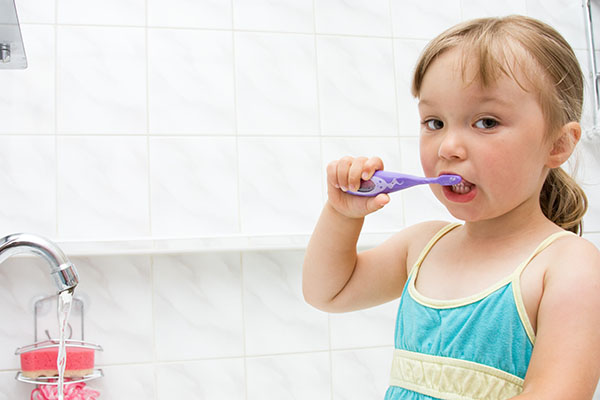
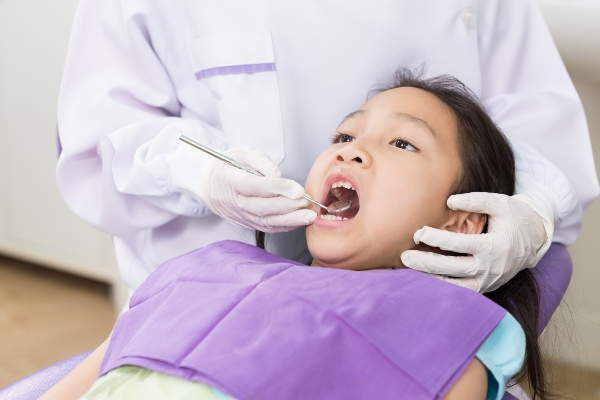
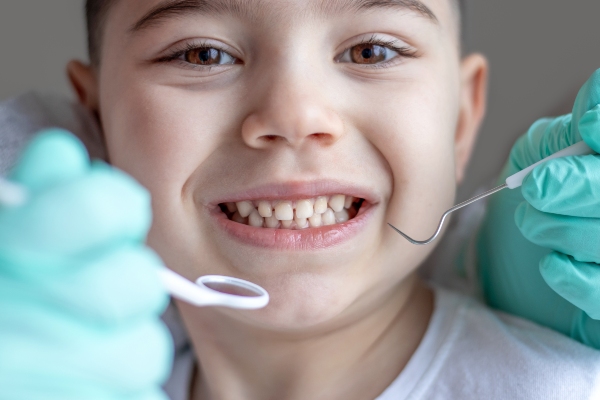
From the first appointment, a Pediatric Dentist keeps in mind a pacifier or thumb sucking habit and watches the way your child's teeth and jaw develop. According to the American Academy of Pediatric Dentistry, sucking generally only becomes a problem if it continues after the age of 3.
It is normal for children to suck on pacifiers (it stimulates their oral cavity), but as they get older, what is supposed to soothe your child may end up harming your child’s teeth. In this article, we cover the effects of pacifiers on your child’s teeth and how you can prevent any negative impacts.
Pacifiers and your child’s teeth
Your child’s dental health is vital once teething begins, and you should pay attention to their teeth to prevent the occurrence of tooth decay, cavities and other oral issues. This includes taking away anything that may hamper the proper development of their oral structures, including pacifiers. However, sucking is a normal phenomenon with babies, and they often derive comfort from using pacifiers. Pacifiers help to reduce the occurrence of sudden infant death syndrome (SIDS). Since babies using pacifiers do not sleep as deeply as those who do not use pacifiers, they will be jerked from a sleep that causes breath stoppage.
Pacifiers and baby bottles typically pose no threat to the child’s teeth within the first few years of their life. In fact, at first, the calming effects of pacifiers surpass their disadvantages. However, extensive use of pacifiers may result in oral health issues. The adverse effect of pacifiers typically happens once the child starts getting more of their teeth.
While most children stop using pacifiers on their own, sometimes they may need the help of a pediatric dentist. This is because pacifiers can alter the correct growth and development of the child’s teeth and mouth. Extended use of pacifiers can affect the shape of the roof of the mouth negatively, hinder proper growth of the oral cavity, expose your child to ear infections and cause issues with teeth alignment. These are complex orthodontic issues that may require extensive dental procedures to correct. Preventing your child from excessive use of pacifiers can help avoid the need for orthodontic treatment later in life, such as braces and palatal expanders. If your child is unable to successfully stop their pacifier habit, your pediatric dentist may recommend an oral appliance that interferes with sucking.
Minimizing the effects of pacifiers
If your child does have to use a pacifier, the following tips will help reduce the risk of mishaps, tooth decay or other issues in babies who use pacifiers:
- Buy only single-piece pacifiers: If the pacifier has fewer breakable parts, your child will be at a lower risk of choking.
- Limit the time the child uses the pacifier: As much as possible, prevent the child from sleeping with pacifiers, especially at night.
- Discourage pacifier use through positive reinforcement: When the child gets older, he or she will need to need to be weaned off pacifiers. This may be difficult, but you can use positive reinforcement or make pacifier use uncomfortable for them. You can try dipping the tip of the pacifier in white vinegar; it causes no harm, but the taste is lousy.
The bottom line
Pacifiers do not damage your child’s teeth automatically. Pacifier use is normal for children below 3 years of age. However, frequent use, especially after this age, can cause lasting oral problems. Talk to your pediatric dentist about whether or not your child should be using a pacifier or not.
Request an appointment here: https://www.memorialpediatricdds.com or call Memorial Pediatric Dentistry at (281) 571-8411 for an appointment in our Houston office.
Check out what others are saying about our dental services on Yelp: Pediatric Dentist.
Recent Posts
Pediatric dentists want you to know that your child can avoid the pain and discomfort of tooth decay with your help. Child tooth decay is preventable. Getting involved in a good oral hygiene routine is key to preventing childhood tooth decay. Pediatric dentists want to help you and your child develop those good habits from…
As a parent, implementing preventive pediatric dental care is important. Your priority is your child’s health. Dental health influences one’s general health. As a responsible parent, preventing dental problems is important. If you want to know more about preventive pediatric dental care, here are the details.A child’s dental care must have a routine dental check…
Your pediatric dentist can clear the air when it comes to plaque and tartar. As a responsible parent, you should ask your child’s dentist about the most common dental problems — plaque and tartar. Dental health starts in early childhood. It is always prudent to do what you can to prevent these substances from taking…
If you are a parent who tries daily to get your kids to brush their teeth, then you can benefit from these tips from a pediatric dentist. Pediatric dentists focus on younger patients and understand that kids often have little interest in oral health. Because pediatric dentists specialize in caring for children like yours, these…