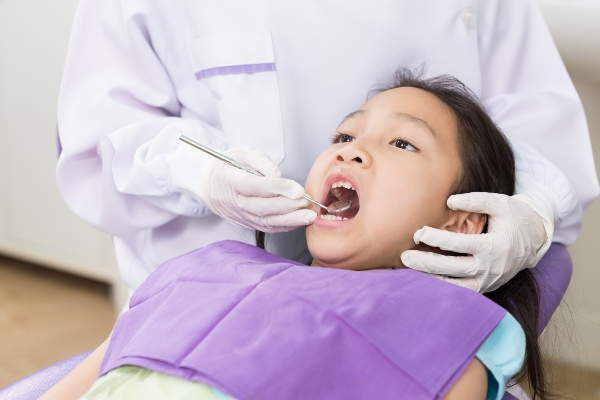
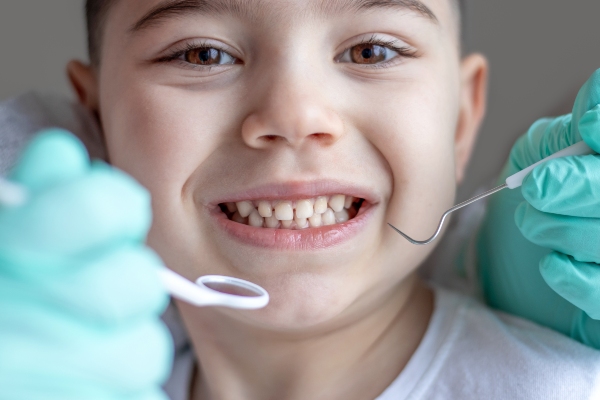
 Pediatric dentistry can identify and treat plaque, which is a sticky substance. Plaque appears after every snack or meal. Brushing immediately can remove this thin layer of sticky substance. Doing so can prevent tartar formation. If you want to know more about how pediatric dentistry treats plaque, here are the details.
The causes of plaque
The mouth invites all sorts of microorganisms while breathing, eating, and drinking. There should always be a delicate balance inside the mouth. However, specific conditions lead to the overpopulation of bad bacteria. This is where pediatric dentistry comes in and sets things right.
Eating carbohydrate-rich foods and beverages feeds bacteria. The consumption of sugary foods produces acids. These bacterial acids cause gingivitis, cavities, and other problems. Plaque and decay can happen underneath the gums. These slowly erode the foundations of teeth.
Dental scaling and polishing
Tooth decay and periodontitis are huge problems for many people. The dentist should evaluate plaque buildup twice a year. Regular dental exams allow the dentist to identify and treat issues early. Without treatment, decay and gum disease can lead to complicated procedures, pain, and even tooth loss.
Fluoride rinsing, flossing, and brushing two times a day can prevent periodontitis. But even if the child follows the right techniques in daily oral care, there are hard-to-reach areas. These are tricky to clean, especially if there is an excess of plaque buildup. Once plaque builds up, it hardens into tartar. This hard substance cannot be removed by just brushing or flossing. A pediatric dentistry professional will remove tartar with a specific dental tool.
Common pediatric dentistry procedures like dental scaling and polishing can prevent gum disease. These treatments may seem uncomfortable, but they can help reset a person’s dental health. Scaling removes the deposits of tartar and plaque. The dentist uses a scaler to scrape off hardened tartar and plaque from the patient’s gumline.
Polishing comes next. This treatment removes the remaining plaque and dental stains. This is not solely a cosmetic procedure. It leaves teeth smooth enough to prevent bacteria from clinging to teeth. After this, the dentist will provide a fluoride treatment. Fluoride will become more absorbable because there is no plaque blocking it.
Adults tend to have heavier amounts of plaque and tartar underneath the gumline. This will need a more intense scaling process. This will involve several appointments. An ultrasonic scaler will remove heavy tartar buildup. The dentist will then use hand-held instruments to remove leftover stains and tartar.
What to expect during the pediatric dentistry treatment
During the first visit, the dentist will check the child’s teeth and gums for signs of decay and infection. The dentist will scale and polish the teeth as well. Fluoride treatment will follow. The dentist will talk to the parent about the child’s oral care and diet. There will be home dental care pediatric dentistry recommendations that the parent needs to consider. This can prevent plaque formation.
Pediatric dentistry can help improve your child’s dental health by treating plaque
It is possible to improve your child’s health by removing plaque buildup. It may take several visits to remove plaque and tartar, but it is possible. After the pediatric dentistry treatment, you can help your child perform proper oral care practices. This can prevent plaque and tartar from building up again. Keeping plaque at a minimum can prevent more dental damage in the future.
Request an appointment or call Memorial Pediatric Dentistry at 281-571-8411 for an appointment in our Houston office.
Recent Posts
Pediatric dentists want you to know that your child can avoid the pain and discomfort of tooth decay with your help. Child tooth decay is preventable. Getting involved in a good oral hygiene routine is key to preventing childhood tooth decay. Pediatric dentists want to help you and your child develop those good habits from…
As a parent, implementing preventive pediatric dental care is important. Your priority is your child’s health. Dental health influences one’s general health. As a responsible parent, preventing dental problems is important. If you want to know more about preventive pediatric dental care, here are the details.A child’s dental care must have a routine dental check…
Your pediatric dentist can clear the air when it comes to plaque and tartar. As a responsible parent, you should ask your child’s dentist about the most common dental problems — plaque and tartar. Dental health starts in early childhood. It is always prudent to do what you can to prevent these substances from taking…