Pediatric Dental X-Rays: Common Questions Answered
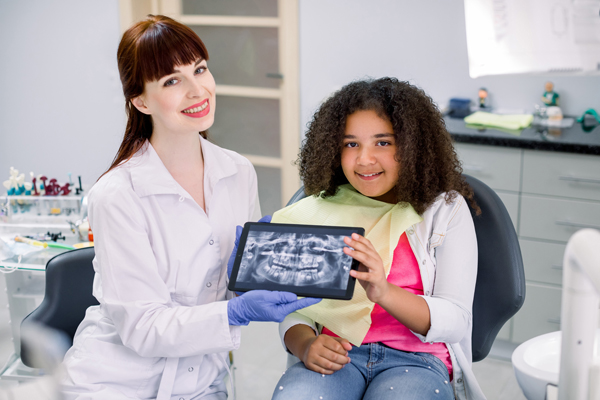
Pediatric dental X-rays provide a detailed view of a child's teeth, gums, and jaw. These imaging tools help pediatric dentists diagnose potential oral health issues early on and ensure a child's dental development is on track. For parents, understanding pediatric dental X-rays can help them make informed decisions about their child's dental care.
What are pediatric dental X-rays?
Pediatric dental X-rays are imaging tools that capture detailed pictures of a child's teeth, jaw, and surrounding structures. These images allow pediatric dentists to see areas of the mouth that are not visible during a standard visual examination. X-rays are particularly useful in identifying issues such as cavities between the teeth, developmental abnormalities, and the positioning of permanent teeth beneath the gums. A pediatric dental X-ray also uses advanced technology to minimize exposure while providing clear images, making it both efficient and safe.
Why does my child need a pediatric dental X-ray?
Pediatric dental X-rays are necessary to detect and prevent dental problems before they become severe. While a visual exam can identify surface-level issues, X-rays reveal underlying conditions that could affect a child's oral health and development. Some specific reasons a pediatric dentist may recommend X-rays include:
- Identifying cavities between teeth that are not visible during a standard dental exam
- Monitoring the progress of permanent teeth erupting below the gumline
- Detecting infections or damage to the roots of teeth
- Assessing the alignment of teeth and jaw development
Early detection through X-rays allows children to get the treatment they need while reducing the risk of more invasive procedures in the future.
If a child has never had a cavity, why do they need an X-ray?
Pediatric dental X-rays show more than cavities. For example, these images can be used to examine a child's emerging teeth, identify bone disease, and evaluate dental injuries. Dentists can also use them to help plan a young patient's orthodontic therapy. In addition, dental treatment is typically less expensive and extensive if dental issues are detected in their early stages.
Are pediatric dental X-rays safe?
The safety of pediatric dental X-rays is a common concern among parents. Advances in dental technology have made dental X-rays safer than ever before. Modern equipment uses low-dose radiation. Pediatric dentists also follow strict guidelines and protections to prevent exposing children to too much radiation. For example, they will have the child wear a protective lead apron and thyroid collars to shield their body during the X-ray. At the end of the day, pediatric dental X-rays pose a much lower threat to young patients than undiagnosed and untreated dental issues.
How often do children need to get pediatric dental x-rays?
The frequency of pediatric dental X-rays depends on a child's age, oral health, and risk for dental issues. Children prone to cavities or with a history of dental problems may require X-rays more frequently. However, as a general rule, children will need to get more X-rays than adults. This is because their mouths change and expand rapidly. They are also more prone to tooth decay.
The American Academy of Pediatric Dentistry recommends that children with a high risk of tooth decay should get dental X-rays every six months, with follow-up appointments every three months to monitor early signs of cavities. Children with a low or moderate risk of decay will typically only need X-rays every 12 to 24 months, with follow-ups every 6 to 12 months.
What are the types of X-rays used in pediatric dentistry?
Pediatric dentists can use several types of X-rays based on a child's needs. The four most common types of X-rays used in pediatric dentistry include:
- Bitewing X-rays: Show the upper and lower back teeth and are used to detect cavities between teeth.
- Panoramic X-rays: Provide a full view of the teeth, jaw, and surrounding structures, often used to evaluate growth and development.
- Periapical X-rays: Focus on one or two teeth, showing the entire tooth from crown to root.
- Occlusal X-rays: Capture the entire arch of teeth and are used to monitor tooth development in younger children.
How can parents prepare their children for X-rays?
Parents should prepare and reassure their children before they undergo a pediatric dental X-ray. They can explain the process in simple terms, highlighting that it is a painless and quick part of a routine dental visit. Additionally, the pediatric dentist can use kid-friendly language and techniques to help young patients feel at ease.
It can also be helpful to schedule the appointment when the child is well-rested and less likely to feel nervous. A supportive environment in a pediatric dental office can create a stress-free experience. This is especially true if the child has a pre-established relationship with the pediatric dental team.
Schedule your child's next appointment today
Pediatric dental X-rays are an invaluable tool in pediatric dentistry, protecting the health and development of a child's smile. Has it been a while since your little one's last appointment? Call our Houston office to schedule a visit at Memorial Pediatric Dentistry today.
Request an appointment here: https://www.memorialpediatricdds.com or call Memorial Pediatric Dentistry at (281) 571-8411 for an appointment in our Houston office.
Check out what others are saying about our services on Yelp: Pediatric dental X-rays in Houston, TX.
Recent Posts
Pediatric dentists want you to know that your child can avoid the pain and discomfort of tooth decay with your help. Child tooth decay is preventable. Getting involved in a good oral hygiene routine is key to preventing childhood tooth decay. Pediatric dentists want to help you and your child develop those good habits from…
As a parent, implementing preventive pediatric dental care is important. Your priority is your child’s health. Dental health influences one’s general health. As a responsible parent, preventing dental problems is important. If you want to know more about preventive pediatric dental care, here are the details.A child’s dental care must have a routine dental check…
Your pediatric dentist can clear the air when it comes to plaque and tartar. As a responsible parent, you should ask your child’s dentist about the most common dental problems — plaque and tartar. Dental health starts in early childhood. It is always prudent to do what you can to prevent these substances from taking…
If you are a parent who tries daily to get your kids to brush their teeth, then you can benefit from these tips from a pediatric dentist. Pediatric dentists focus on younger patients and understand that kids often have little interest in oral health. Because pediatric dentists specialize in caring for children like yours, these…