 Plaque is one of the main concerns in pediatric dentistry. Pediatric dentists aim to prevent the accumulation of plaque on primary and permanent teeth. The absence of plaque leads to a healthy set of dentition. This then leads to a healthy body. If you want to find out how to keep plaque at bay, here are some tips.
Two-minute brushing
Every person has bacteria in the mouth. These microorganisms thrive on sugar. Children love to eat sweets and starchy foods. That is why they are prone to having plaque. This sticky coating leads to the development of cavities. Pediatric dentistry prevention of plaque starts in the home.
Keeping plaque at bay and removing it at the same time needs hard work. This means brushing the child’s teeth three times every day, two minutes each time. It is common for children to brush for under two minutes. Parents should do this task for the child. By the time the child turns nine, parents may still need to supervise. Kids tend to take shortcuts when it comes to brushing.
Proper toothbrush selection and positioning
Another pediatric dentistry tip is holding the toothbrush at a 45-degree angle at the child’s gumline. This can help strip off more of the plaque. Brushing in a circular and gentle motion is also an efficient way to remove the stubborn biofilm. Choosing a toothbrush with the appropriate size can help clean the child’s mouth better. An electric toothbrush is also a better option. Choose one that has a timer and rotary action.
Reducing sugary foods
Sugar is the main source of sustenance for bacteria. It is only proper for parents to cut down sugar intake at home. Kids can also get sugars from bread, pasta, and rice. Parents should also lower the amount of starch in the family meals. That way, bacteria will not have enough to thrive inside the child’s mouth. This can prevent future pediatric dentistry treatments.
Using fluoride toothpaste and mouthwash
Fluoride is a natural element capable of strengthening teeth and fighting cavities. It is an ingredient in many brands of toothpaste. By two years old, children can use fluoride toothpaste. Helping them brush with a little fluoride toothpaste for two minutes can help remove plaque and protect the teeth from decay.
Setting a pediatric dentistry cleaning
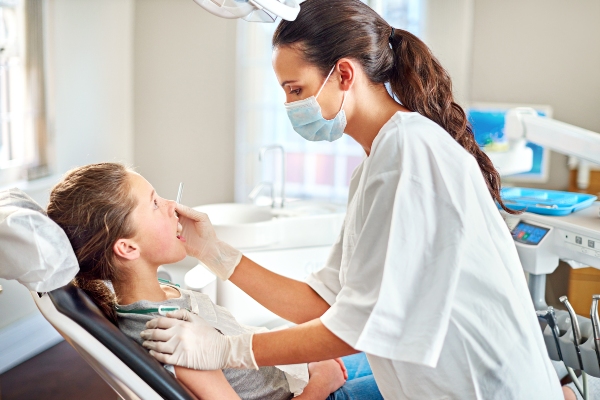
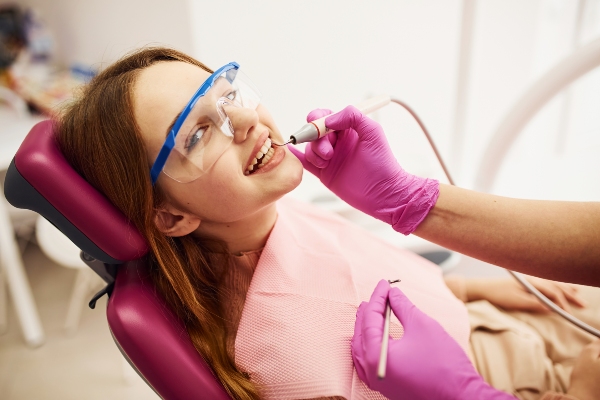
A pediatric dentist can remove plaque and tartar from the child’s teeth. Pediatric dentistry scaling is an in-office treatment. Scheduling a routine pediatric dentistry cleaning can help remove and ward off plaque. After the cleaning, the pediatric dentist can apply dental sealants to the molars. This liquid barrier can block bacteria and food particles from sticking to the child’s teeth.
Pediatric dentistry routine appointments can elevate your child’s oral health
Modifying dental hygiene practices at home can help remove dental plaque. Maintaining routine dental checkups can keep plaque away from your child’s teeth. Diligence when it comes to pediatric dentistry practices tends to improve your child’s dental health. An appointment with your pediatric dentist can enhance the way you keep your child’s teeth plaque-free.
Request an appointment or call Memorial Pediatric Dentistry at 281-571-8411 for an appointment in our Houston office.
Recent Posts
Pediatric dentists want you to know that your child can avoid the pain and discomfort of tooth decay with your help. Child tooth decay is preventable. Getting involved in a good oral hygiene routine is key to preventing childhood tooth decay. Pediatric dentists want to help you and your child develop those good habits from…
As a parent, implementing preventive pediatric dental care is important. Your priority is your child’s health. Dental health influences one’s general health. As a responsible parent, preventing dental problems is important. If you want to know more about preventive pediatric dental care, here are the details.A child’s dental care must have a routine dental check…
Your pediatric dentist can clear the air when it comes to plaque and tartar. As a responsible parent, you should ask your child’s dentist about the most common dental problems — plaque and tartar. Dental health starts in early childhood. It is always prudent to do what you can to prevent these substances from taking…