Special Needs Dentistry: Compassionate Care for Every Smile

Special needs dentistry focuses on meeting the unique requirements of patients with physical, developmental, or behavioral conditions. By providing compassionate, tailored care, we can ensure that every patient can receive high-quality dental services in an environment that fosters trust and understanding. Special needs dentistry can promote lifelong oral health and enhance overall well-being with the right approach.
What is special needs dentistry?
Special needs dentistry is a branch of dentistry designed to provide customized care for patients who may face challenges during traditional dental appointments. Patients may have physical limitations, developmental delays, sensory sensitivities, or medical conditions that require additional attention or accommodations. This type of dentistry involves addressing oral health needs and creating an environment where patients feel comfortable and respected. As such, special needs dentists undergo additional training to understand and manage the complexities of providing care to patients with diverse needs.
The importance of compassionate dental care
Compassionate care lies at the heart of special needs dentistry. Many patients with special needs experience heightened anxiety, sensory sensitivities, or communication barriers, which can make dental visits intimidating. A dentist’s ability to demonstrate empathy, patience, and adaptability can make a significant difference in how patients perceive their experiences. By building trust and fostering a positive relationship, special needs dentists can reduce dental-related fears and create a safe space for patients to receive the care they need.
How special needs dentists create a comfortable environment
Creating a comfortable environment is essential in special needs dentistry. This begins with designing dental offices that are accessible and accommodating, featuring wheelchair-friendly spaces, sensory-friendly waiting areas, and private treatment rooms for those who require a quieter setting.
In addition to physical modifications, special needs dentists focus on communication strategies tailored to each patient. This might include using visual aids, non-verbal cues, or clear and concise explanations of procedures. Taking the time to understand a patient’s preferences and comfort levels helps dentists provide care that feels supportive and non-threatening.
Common treatments in special needs dentistry
Special needs dentistry encompasses a wide range of treatments, from preventive care to restorative dental procedures. The goal is to address both immediate concerns and long-term maintenance so that patients can enjoy good oral health for years to come. To meet these goals, special needs dentists often collaborate with other healthcare providers and caregivers to design comprehensive treatment plans. These plans take into consideration each patient’s medical history, physical or sensory limitations, and emotional well-being.
Preventive care from a special needs dentist
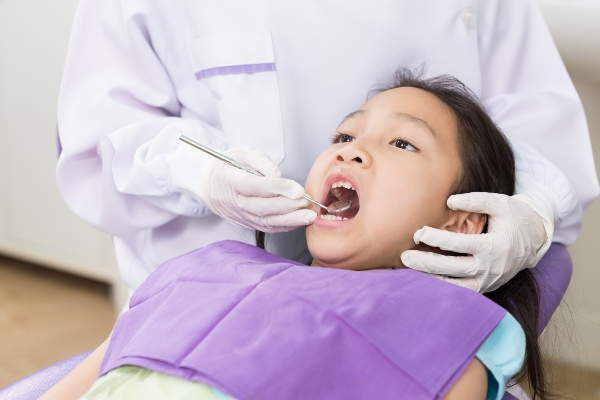
Preventive dental care includes routine dental examinations. During this exam, the dentist will look and prod at different areas of the mouth (the teeth, tongue, and cheeks) to evaluate oral health. They may also order dental X-rays to detect issues below the gums, such as deep tooth decay or impacted teeth.
In the same appointment as a dental exam, the dentist will likely provide a dental cleaning to remove plaque and tartar buildup. This prevents bacteria from causing tooth decay, gum disease, and other oral health problems. These cleanings are particularly important for patients who may have difficulty maintaining oral hygiene at home.
Note that some patients may require more frequent visits to address specific challenges, such as gum inflammation, toothaches, or other concerns. Dentists may recommend electric toothbrushes, floss alternatives, or adaptive oral hygiene tools to make at-home care easier. They can also work closely with caregivers to provide guidance, such as on tooth-healthy diets, to help ensure that patients maintain healthy habits between dental visits.
Restorative treatments
When oral health issues like cavities or tooth infections arise, restorative dental treatments are needed to preserve smile function and prevent further complications. Dental fillings and crowns are common procedures performed by special needs dentists to restore damaged teeth. If a tooth extraction is necessary, advanced restorative treatments like dental implants or dentures can fill the gaps left in the smile.
For patients with sensory sensitivities or dental fears, restorative treatments may involve the use of sedation dentistry to enhance comfort. Options such as nitrous oxide and oral sedation are carefully selected based on the patient’s medical history and level of need.
Special needs dentists also focus on minimizing discomfort and building trust throughout the treatment process. Using specialized equipment and techniques, they aim to make restorative procedures as non-invasive as possible. This patient-centered approach helps to reduce stress and ensures that treatments are completed efficiently and successfully.
Learn more about special needs dentistry
Special needs dentistry protects oral health through preventive and restorative dental treatments. At Memorial Pediatric Dentistry, our team strives to create a comfortable and compassionate environment for each patient. Contact us today at {{PHONE}} for an appointment.
Request an appointment here: https://www.memorialpediatricdds.com or call Memorial Pediatric Dentistry at (281) 571-8411 for an appointment in our Houston office.
Check out what others are saying about our dental services on Yelp: Pediatric Dentist in Houston, TX.
Recent Posts
Pediatric dentists want you to know that your child can avoid the pain and discomfort of tooth decay with your help. Child tooth decay is preventable. Getting involved in a good oral hygiene routine is key to preventing childhood tooth decay. Pediatric dentists want to help you and your child develop those good habits from…
As a parent, implementing preventive pediatric dental care is important. Your priority is your child’s health. Dental health influences one’s general health. As a responsible parent, preventing dental problems is important. If you want to know more about preventive pediatric dental care, here are the details.A child’s dental care must have a routine dental check…
Your pediatric dentist can clear the air when it comes to plaque and tartar. As a responsible parent, you should ask your child’s dentist about the most common dental problems — plaque and tartar. Dental health starts in early childhood. It is always prudent to do what you can to prevent these substances from taking…
If you are a parent who tries daily to get your kids to brush their teeth, then you can benefit from these tips from a pediatric dentist. Pediatric dentists focus on younger patients and understand that kids often have little interest in oral health. Because pediatric dentists specialize in caring for children like yours, these…