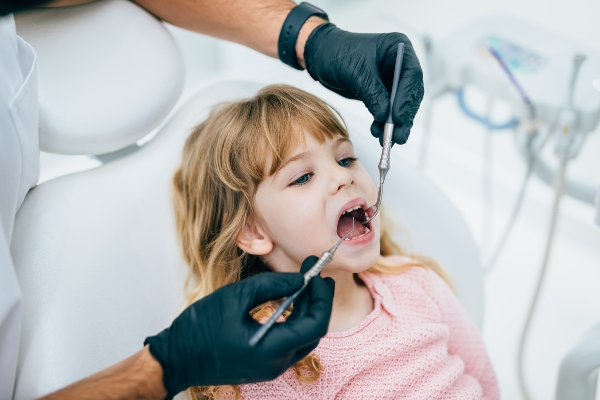
Children can expect to receive comprehensive dental care at pediatric dentistry clinics, which includes everything from preventive care to necessary treatments and procedures. The focus is always on providing the best possible care for each child in a way that is age-appropriate and comfortable.
What goes on at the pediatric dentistry clinic
The dentist and hygienist will see the child during a typical appointment. The dentist will assess the child's teeth and gums, looking for any signs of decay or other problems. If necessary, the dentist may also take x-rays. Next, the hygienist will clean the child's teeth and provide instructions on proper brushing and flossing techniques.
If the child is due for a routine procedure such as a filling or sealant, the dentist will describe what will happen and why it is necessary.
The dentist may refer the child to a specialist for more serious problems, such as decay that has reached the tooth's pulp.
What to expect from the staff
The pediatric dentist and staff are specially trained to work with children. They understand that children can be nervous or scared, and they will do everything they can to make the child feel comfortable. The staff is also very patient and will take the time to explain things in a way children can understand.
Pediatric dentistry clinics are excellent places for children to receive necessary dental care. With the help of the pediatric dentist and staff, children can learn how to take care of their teeth and develop healthy habits that will last a lifetime.
Popular services provided by pediatric dentists
Some of the more commonly performed treatments at the pediatric dental clinic include:
1. Teeth cleaning
Dental cleanings are one of the most common preventative treatments used in pediatric dentistry. It involves using a metal tool called a scaler to remove plaque and tartar from teeth surfaces. Tartar is calcified plaque that cannot be removed with oral hygiene, so regular teeth cleanings are needed to get tartar deposits off teeth. The American Dental Association recommends getting teeth cleaned twice per year.
2. Fluoride treatment
Fluoride is a mineral that helps avert tooth decay. It strengthens the enamel, making it more resistant to acid attacks from plaque bacteria. Fluoride treatments are often used in pediatric dentistry to help children who are at high risk for cavities. The treatments usually involve applying fluoride gel to teeth with a small brush.
3. Dental sealants
Dental sealants are thin, plastic varnishes applied to the chewing surfaces of the back teeth. They help prevent tooth decay by sealing off the grooves and pits in teeth that can trap food and plaque bacteria. Sealants are usually applied in pediatric dentistry to children who are at high risk for cavities, such as those with deep grooves in their teeth.
4. Fillings
Fillings help treat cavities. The dentist will remove the rotted portion of the tooth and then fill the resulting hole with a dental filling material. There are several types of dental fillings, including amalgam (silver), gold, composite (tooth-colored), and porcelain.
We are here to help
Our pediatric dentist helps to ensure children's teeth develop correctly. Call or visit our Houston clinic to set up an appointment.
Request an appointment or call Memorial Pediatric Dentistry at 281-571-8411 for an appointment in our Houston office.
Recent Posts
Pediatric dentists want you to know that your child can avoid the pain and discomfort of tooth decay with your help. Child tooth decay is preventable. Getting involved in a good oral hygiene routine is key to preventing childhood tooth decay. Pediatric dentists want to help you and your child develop those good habits from…
As a parent, implementing preventive pediatric dental care is important. Your priority is your child’s health. Dental health influences one’s general health. As a responsible parent, preventing dental problems is important. If you want to know more about preventive pediatric dental care, here are the details.A child’s dental care must have a routine dental check…
Your pediatric dentist can clear the air when it comes to plaque and tartar. As a responsible parent, you should ask your child’s dentist about the most common dental problems — plaque and tartar. Dental health starts in early childhood. It is always prudent to do what you can to prevent these substances from taking…