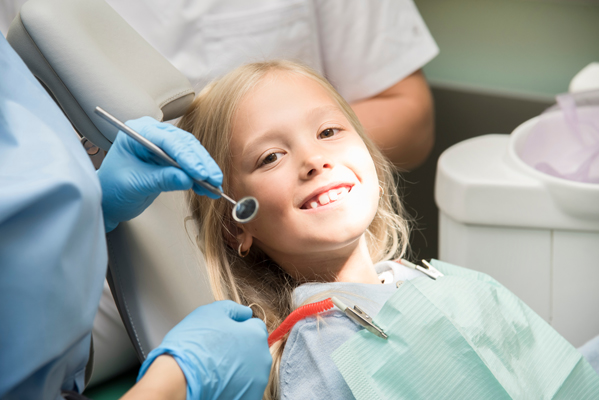
A toddler oral exam is an important way to support your child’s dental health and prevent cavities in the future. During the visit, parents can expect a gentle check-up focused on the child’s development and designed to encourage positive experiences. Knowing what to expect during this visit can help you and your child feel ready and confident before they sit in the dental chair.
Why early oral exams matter
Dental professionals recommend an initial evaluation when the first tooth appears or by the first birthday. These appointments allow a pediatric dentist to assess the young child’s oral development. They can also identify risk factors for tooth decay and gum disease.
A successful appointment involves more than a physical check of the teeth. It is also important to build trust and comfort in the dental office. Positive experiences during early visits help children feel less afraid and more willing to cooperate during check-ups and cleanings in the future. Dental professionals take the time to use praise, a calm approach, and child-friendly techniques to make visits stress-free.
What happens during the appointment
Taking the child’s medical history
A typical appointment begins with a review of the medical history. The dental team discusses primary feeding habits, teething patterns, pacifier use, and home hygiene routines. This conversation provides valuable insights into factors that influence oral health. It also offers an opportunity to address parental concerns. Most pediatric dental offices feature a welcoming design, and the staff utilizes child-friendly language to maintain a calm atmosphere.
The initial toddler oral exam
The initial dental assessment is brief and gentle. Depending on the the child’s comfort and demeanor, the pediatric dentist may utilize a knee-to-knee position. In this arrangement, the toddler rests on the lap of the parent while facing the parent, and then leans back onto the lap of the dentist for a clear view of the mouth.
During the exam, the practitioner evaluates multiple components of the young child’s oral health:
- Structural development of the jaw and dental alignment
- Gum health and existing inflammation
- Primary teeth for signs of early decay or damage
- Bite patterns and positions of individual teeth
- Tongue and lip health
- Growth schedule for new teeth
This thorough examination ensures that all structures develop on track.
Checking for tooth decay and other concerns
One priority of the toddler oral exam is for the pediatric dentist to spot early signs of tooth decay. Very young children can develop cavities from prolonged bottle use or inadequate oral hygiene routines. The dentist inspects the teeth for discoloration. Early intervention prevents the need for extensive restorative treatments later. The provider also monitors several additional developmental considerations:
- Discomfort from teething
- Unusual eruption patterns
- Conditions like a tongue-tie or lip-tie
- Thumb-sucking habits that alter jaw shape
- Signs of bruxism (grinding or clenching)
- Recent oral injuries or trauma
These observations help the dental team support healthy facial growth.
Professional dental cleaning
After the examination, the visit may include a gentle cleaning. The pediatric dentist removes plaque buildup. Then, they will polish the teeth with a soft brush and kid-friendly toothpaste. While the cleaning is relatively straightforward, the process can vary depending on the toddler’s demeanor.
In some cases, the dentist may also recommend a professional fluoride treatment to strengthen the enamel. This safe fluoride varnish sticks to the teeth and hardens upon contact with saliva. The decision to apply fluoride depends on the specific cavity risk factors of the patient and the parent’s best judgment.
Parental guidance
After the assessment, the pediatric dentist will take the time to discuss effective strategies to maintain a clean mouth at home. Conversations focus on proper brushing techniques, the right type of toothpaste, and dietary choices that protect enamel. The dentist also provides advice on limiting the toddler’s access to bottles or sippy cups to help prevent future complications.
What happens if the dentist finds an issue?
If the dentist detects an issue during the toddler oral exam, they will explain their findings and outline available solutions. Dental concerns are easier to resolve when discovered in their earliest stages. Depending on the diagnosis, recommendations may include more frequent dental check-ups, changing everyday habits, or minor restorations. A patient-first approach ensures that treatment matches the child’s unique developmental stage and emotional maturity.
Schedule your child’s oral exam today
A toddler oral exam provides much more than a basic check-up. When you prioritize these early visits, you give your child the gift of a healthy smile. Contact Memorial Pediatric Dentistry at our Houston office today to schedule an appointment.
Request an appointment here: https://www.memorialpediatricdds.com or call Memorial Pediatric Dentistry at (281) 571-8411 for an appointment in our Houston office.
Check out what others are saying about our services on Yelp: Read our Yelp reviews.
Recent Posts
As a parent, implementing preventive pediatric dental care is important. Your priority is your child’s health. Dental health influences one’s general health. As a responsible parent, preventing dental problems is important. If you want to know more about preventive pediatric dental care, here are the details.A child’s dental care must have a routine dental check…
Your pediatric dentist can clear the air when it comes to plaque and tartar. As a responsible parent, you should ask your child’s dentist about the most common dental problems — plaque and tartar. Dental health starts in early childhood. It is always prudent to do what you can to prevent these substances from taking…
If you are a parent who tries daily to get your kids to brush their teeth, then you can benefit from these tips from a pediatric dentist. Pediatric dentists focus on younger patients and understand that kids often have little interest in oral health. Because pediatric dentists specialize in caring for children like yours, these…
Your child’s pediatric dentist knows that children are still learning how to hold the brush and be thorough. For children who are starting to brush and floss, doing a good job can be difficult. Your child can get distracted or bored and miss big portions of the mouth. Getting children to floss is even more…