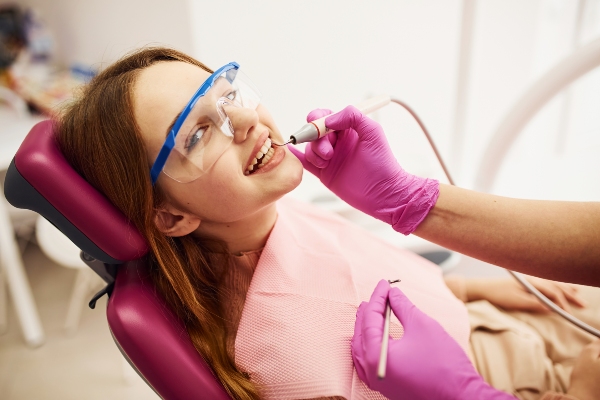
When To Ask a Family Dentist About Dental Sealants

For family dentists, prevention is key, which is why they often recommend dental sealants for children and teens to reduce the risk of cavities. Sealants add a protective barrier over the chewing surfaces of back teeth, where grooves can trap food and bacteria. Since many cavities begin in these deep pits, sealants offer an extra layer of defense alongside brushing and fluoride. Knowing the right time to ask about sealants helps families protect developing smiles.
Why family dentists recommend dental sealants
Dental sealants are thin, protective coatings that the family or pediatric dentist applies to the chewing surfaces of molars and premolars. These back teeth have natural grooves that are difficult to clean thoroughly, even with consistent brushing. When plaque and food particles remain in these areas, cavities can develop more easily. Sealants smooth and cover the grooves, helping block bacteria from settling into the enamel.
Keep in mind that sealants are preventive, not restorative, meaning they are placed on healthy teeth to reduce the risk of future decay. They do not replace brushing, flossing, or fluoride, but they strengthen an overall prevention plan. Many family dentists use sealants as a routine option for children at higher risk of cavities. A dentist can evaluate whether they are appropriate based on age, tooth anatomy, and current oral health.
Ages and milestones that signal the right time for sealants
Timing often depends on when permanent molars erupt. The first permanent molars typically appear in the early elementary school years, and these teeth are especially vulnerable because they erupt when brushing skills are still developing. Placing sealants soon after eruption helps protect the enamel during the period when cavities are most likely to form.
Second permanent molars tend to erupt later, often during the preteen or early teen years. This stage can be another ideal window if the first was missed, especially if the new molars show deep grooves. Adolescence often brings busy schedules and diet changes, which can increase cavity risk. A family dentist can identify eruption timing and recommend sealants when these teeth are fully accessible and clean.
Other signs that a child could benefit
Some children face a higher risk of cavities even with good home care. For example, frequent snacking, sugary drinks, orthodontic appliances, and inconsistent brushing can increase the risk, particularly on the back teeth. Deep pits and grooves can also make molars more vulnerable, as toothbrush bristles may not reach every crevice. If early enamel weakening appears on molars, a family dentist may recommend sealants to protect these areas before a cavity forms.
A history of cavities is another important sign to watch for. Children who develop cavities in baby teeth may be more likely to develop cavities in permanent teeth, especially if diet and oral hygiene challenges continue. Further, dry mouth, certain medications, and medical conditions that affect enamel strength can also influence risk. A family or pediatric dentist can review these factors and determine whether sealants support a stronger prevention plan.
The dental sealants appointment
The dental sealant application process is relatively quick. After a professional cleaning, the family or pediatric dentist will dry and etch the teeth to help the sealant adhere better. They then paint the dental sealant on the teeth. While the coating dries quickly, the dentist will still use a special curing light to ensure the material hardens completely before the patient leaves the office. Once set, the coating forms a smooth protective layer that helps block bacteria and food debris.
No drilling is required, and the procedure is typically painless. Children can return to normal eating and drinking soon after placement, although very sticky foods may be discouraged depending on the dentist's guidance. Sealants are checked during regular dental visits to ensure they remain intact. If the sealant chips or thins over time, the dentist can touch it up.
How dental sealants fit into a complete prevention strategy
Dental sealants do not prevent cavities all on their own; they work best when paired with daily brushing, flossing, and routine professional cleanings. Fluoride treatments also strengthen enamel across all tooth surfaces, while sealants specifically target the vulnerable grooves on molars. Moreover, diet habits also influence outcomes, since sugary snacks and acidic drinks can still increase cavity risk. A prevention plan becomes more effective when these factors are addressed together.
Schedule a consultation with a family dentist
Dental sealants provide a simple, effective way to protect the chewing surfaces of molars, especially during key stages of eruption and periods of higher cavity risk. Are you interested in dental sealants for your child? Contact Memorial Pediatric Dentistry to schedule an appointment with our family dentist.
Request an appointment here: https://www.memorialpediatricdds.com or call Memorial Pediatric Dentistry at (281) 571-8411 for an appointment in our Houston office.
Check out what others are saying about our dental services on Yelp: Family Dentist in Houston, TX.
Recent Posts
A healthy smile is important at any age, but when dental issues arise, knowing when to seek professional care is important. A family dentist can address many dental concerns, including tooth damage that requires repair. Whether a child chips a tooth while playing or develops a cavity, a timely visit to the dentist can prevent…
A kids dental specialist plays an important role in your child’s development. Proper dental care can give your child a strong and lasting foundation for oral health. This dental care provider can educate your child about dental hygiene. Knowing how a kids’ dentist can enhance your child’s oral health can motivate you to bring your…
Kids fluoride cleaning dental appointments help strengthen young teeth, support cavity prevention, and encourage healthy oral care habits from an early age. Children’s teeth face daily exposure to bacteria, food particles, acids, and sugars, which can weaken enamel over time. Regular visits to a pediatric dentist provide families with a simple way to protect growing…
A kid-friendly dentist can provide your child with the right dental care. Most adults go to a general dentist. Your child has a different set of needs, which is why finding a pediatric dentist is important. Here are the details on why finding a kid-friendly dentist is vital for your child’s oral health and comfort.Children…