When to See a Pediatric Dentist

When Your Child Should See a Pediatric Dentist
According to a 2009 survey conducted on children's health, many children in the U.S. do not get to see a dentist until they are over 2.6 years old. That is a lot later than is recommended by the American Dental Association which suggests that children are taken to the dentist before their first birthday. The American Academy of Pediatric Dentistry advises parents to bring children to the dentist within the first six months of birth. That is about the time it takes for primary teeth to emerge.
Some parents seem to think that baby teeth are not as crucial since permanent ones will eventually replace them. That is far from the truth since primary teeth often influence the alignment and positioning of the permanent ones. Primary teeth also serve many other important purposes like:
- Allowing kids to chew correctly and get the nourishment they need
- Saving space for permanent teeth
- Aids in speech development
- Provides a healthy smile that makes children proud of their appearance
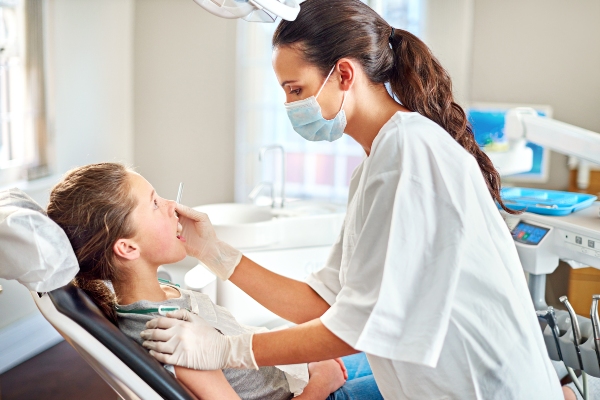
The combination of all these things is what makes taking children to the dentist as soon as their teeth begin to emerge so important. It is an opportunity to learn how to clean a child's teeth properly, and that ensures good oral health. The first visit to the dentist is about educating the parent and making sure the child has not developed any oral issues.
Preparing your child for the pediatric dentist
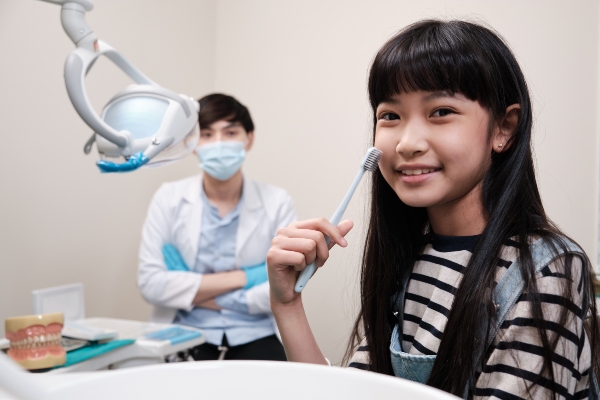
A significant benefit of taking children to the dentist before their first birthday is the fact they are too young to understand what is going on in the first place. This waiting means the parent does not have to worry about calming down a nervous child. However, those who decide to wait until their child is older could find themselves dealing with a nervous little one who is terrified of being in unfamiliar territory. A dentist's clinic can be intimidating, even for adults, due to all the sharp instruments, buzzing machinery, and different faces peering down their mouth.
An excellent way to calm the little one down before their first visit to the dentist is by taking them along for one of your procedures. This experience gives the child the opportunity to explore the unfamiliar environment without having to get too close to all those scary-looking machines.
Parents can also take advantage of the wide variety of online resources and books that educate children about dental visits and the importance of oral hygiene. These resources are geared towards young children and use fun stories and activities to make them comfortable with the idea of going to the dentist.
Parents can also use role-playing to familiarize their child with the dentist's clinic. It's an activity that most kids enjoy, and it also gives parents an opportunity to have fun with the little ones. When it is time for the child's first appointment, parents should plan on arriving early to prevent the child from feeling rushed or stressed.
Think your child is ready for a pediatric dentist? Schedule a consultation with one of our oral professionals today.
Call (281) 571-8411 today to reach Memorial Pediatric Dentistry.
Recent Posts
Pediatric dentists want you to know that your child can avoid the pain and discomfort of tooth decay with your help. Child tooth decay is preventable. Getting involved in a good oral hygiene routine is key to preventing childhood tooth decay. Pediatric dentists want to help you and your child develop those good habits from…
As a parent, implementing preventive pediatric dental care is important. Your priority is your child’s health. Dental health influences one’s general health. As a responsible parent, preventing dental problems is important. If you want to know more about preventive pediatric dental care, here are the details.A child’s dental care must have a routine dental check…
Your pediatric dentist can clear the air when it comes to plaque and tartar. As a responsible parent, you should ask your child’s dentist about the most common dental problems — plaque and tartar. Dental health starts in early childhood. It is always prudent to do what you can to prevent these substances from taking…
If you are a parent who tries daily to get your kids to brush their teeth, then you can benefit from these tips from a pediatric dentist. Pediatric dentists focus on younger patients and understand that kids often have little interest in oral health. Because pediatric dentists specialize in caring for children like yours, these…