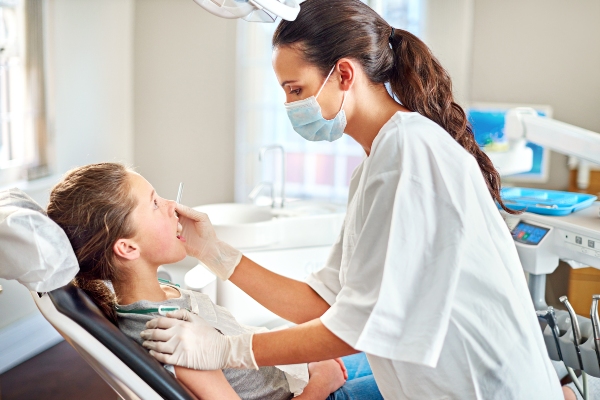
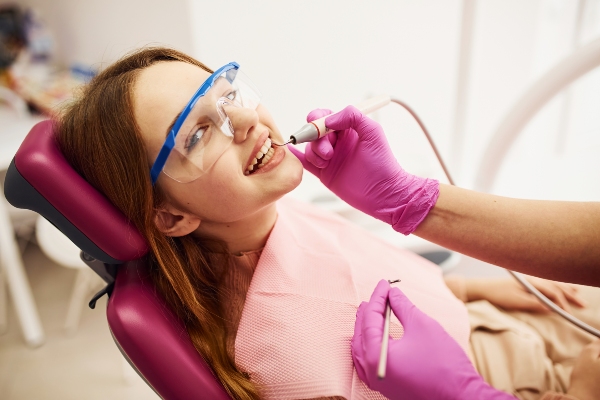
Why Pediatric Dental Visits Are Important

Why are dental checkups for kids significant? Because as soon as kids have teeth, they can get cavities. That is why consistent checkups in early childhood, in addition to good dental hygiene habits taught at home, can ensure that kids will be healthy throughout their lives.
Early checkups avert tooth decay and dental pain, which might lead to trouble concentrating and medical issues later in life. Research advises that kids with healthy teeth are better-off and perform well in school and have developed self-esteem.
Benefits of pediatric dental visits
Many parents wait too long to schedule a dental appointment for young children, which can have undesirable consequences on a child's dental and overall health. Tooth decay is the most shared chronic disease among children in the United States despite being mostly avoidable with good oral habits and regular checkups.
It's also very significant to keep the baby teeth or primary teeth, in place until they are lost naturally. Children with healthy primary teeth usually have a simpler time with speech development, chewing food and retaining nutrients. If the pediatric dentist discovers that a child has a cavity, sealants and fluoride treatments can protect the teeth from further decay.
The importance of having good oral hygiene
Early dental hygiene care prevents dental diseases. Acquiring good oral hygiene is the first line of defense against several common dental problems, such as plaque, gum disease and cavities. If dental hygiene is left untreated, it might lead to an infection and or pain that creates issues with eating, speaking and overall health.
The earlier children begin getting regular dental checkups, and the healthier mouths will be. Early checkups help stop cavities and tooth decay, which can bring on inflammation pain, trouble concentrating and additional medical issues.
The great news is that cavities are almost entirely preventable with regular check-ups to the dentist and consistent healthy dental care at home.
Parents can assist their children to maintain healthy teeth and gums by encouraging these habits:
- Start good oral health habits as soon as the baby's teeth are showing. Begin by using a soft washcloth to clean the child's gums and teeth mildly
- Teach children to brush all surfaces of the teeth for at least two minutes, twice a day with a fluoride toothpaste. Help the children until they are capable of brushing on their own
- Floss between a child's teeth and along the gum line to eliminate trapped food and plaque that can lead to decay and gingivitis
- Encourage a child to brush their teeth instantly after drinking juice or eating candy to stop decay
- Avoid giving children too many sugary drinks and food especially between meals, which encourage decay and create enamel harm
- Increase water intake throughout the day to help neutralize the acids that create cavities
Bottom line
A healthy smile can be a delightful asset and because this is so important, it makes sense to give your teeth the best care possible. Talk to one of our dental health professionals today.
Request an appointment here: https://www.memorialpediatricdds.com or call Memorial Pediatric Dentistry at (281) 571-8411 for an appointment in our Houston office.
Recent Posts
Pediatric dentists want you to know that your child can avoid the pain and discomfort of tooth decay with your help. Child tooth decay is preventable. Getting involved in a good oral hygiene routine is key to preventing childhood tooth decay. Pediatric dentists want to help you and your child develop those good habits from…
As a parent, implementing preventive pediatric dental care is important. Your priority is your child’s health. Dental health influences one’s general health. As a responsible parent, preventing dental problems is important. If you want to know more about preventive pediatric dental care, here are the details.A child’s dental care must have a routine dental check…
Your pediatric dentist can clear the air when it comes to plaque and tartar. As a responsible parent, you should ask your child’s dentist about the most common dental problems — plaque and tartar. Dental health starts in early childhood. It is always prudent to do what you can to prevent these substances from taking…
If you are a parent who tries daily to get your kids to brush their teeth, then you can benefit from these tips from a pediatric dentist. Pediatric dentists focus on younger patients and understand that kids often have little interest in oral health. Because pediatric dentists specialize in caring for children like yours, these…